
The Basics of Staying Healthy Without Insurance
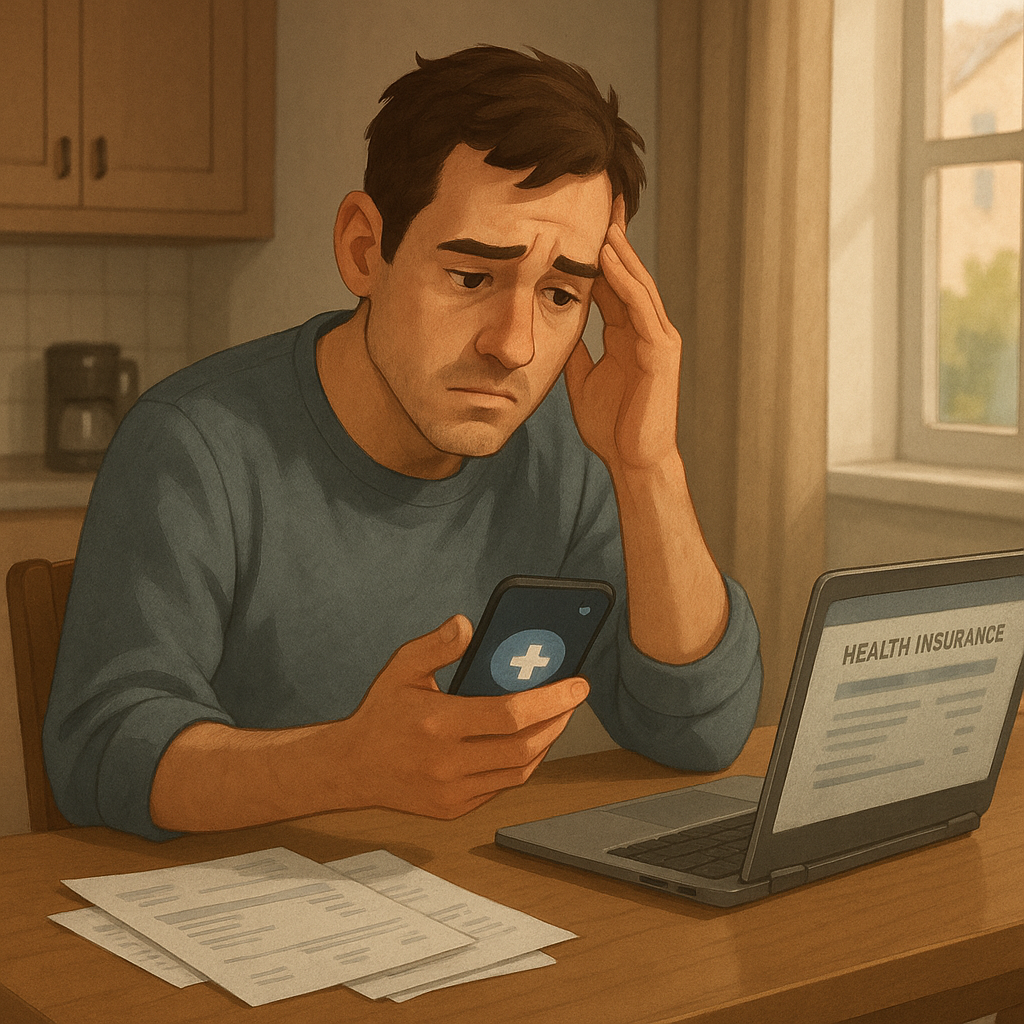
Insurance gives you access to more choices, but your home and habits matter just as much. The CDC and NIH stress that most chronic illnesses (like heart disease, diabetes, and high blood pressure) can often be prevented or managed with healthy routines, regardless of coverage [CDC: Preventive Care] [NIH: Staying Healthy].
Key self-care basics include:
Eat balanced meals—with fruits, vegetables, whole grains, and lean proteins.
Move your body most days, even if it’s a brisk walk or gentle stretching at home.
Get 7–8 hours of sleep in a quiet, dark room.
Avoid tobacco and limit alcohol.
Create a routine to manage stress, like talking with friends or taking time in nature.
These steps don’t require a prescription or insurance card, but they can lower your risk of common illnesses.
Using Community and Direct-Pay Healthcare
Affordable, transparent care does exist in Cincinnati. Many direct pay family medicine clinics offer clear pricing and quality care for all, even for those “without insurance.” You only pay for what you use, with no surprise fees. Services might include:
Routine checkups
Screenings (blood pressure, cholesterol, diabetes)
Lab tests and basic medications
Management for chronic conditions
Preventive vaccines
Some clinics also offer telehealth visits, making it even easier to stay on top of your health from home.
Other community resources:
Local health departments often provide free or low-cost screenings, vaccines, and education [Cincinnati Health Department].
Nonprofit clinics and sliding-scale providers support uninsured residents.
Pharmacies sometimes offer low-cost immunizations and blood pressure checks.
Preventive Care: What You Can Do at Home
You can do a lot at home to catch problems early. The U.S. Preventive Services Task Force notes that regular self-checks and healthy habits matter even if you can’t always see a doctor right away [USPSTF: Healthful Diet Counseling].
What helps most:
Monitor your weight and blood pressure if you have a home cuff (many community centers or pharmacies have free machines).
Learn about early warning signs of conditions like diabetes (increased thirst), high blood pressure (headaches, vision changes), or infections (fever, new pain).
Learn your family history so you can watch for certain inherited conditions.
Practice good hygiene: wash hands, brush teeth, and keep wounds clean.
Keeping a health journal can also help track symptoms or changes over time, which can be helpful to share with a clinician during a visit.
Affordable Medicine and Testing
Generic medications are often available at a fraction of the cost, and many pharmacies have discount programs. When your clinician prescribes a medicine, ask about savings programs or if over-the-counter options could work for you. Many direct-pay clinics help find the lowest testing or prescription prices, and some provide basic labs in-house at transparent rates.
What to do next: Action Steps for the Uninsured
List your current medical needs or concerns
Find an affordable direct-pay clinic or community health center in Cincinnati
Prioritize healthy habits—focus on meals, movement, sleep, and stress
Check if you qualify for local assistance programs for utilities, food, or medicine support
Write down and track any new symptoms in a notebook or phone
Use free or low-cost health fairs for screenings when available
When to Seek Care
See a healthcare professional right away if you notice:
Chest pain, sudden severe headaches, or trouble breathingUnexplained weight loss, ongoing fever, or abnormal bleedingNew weakness, confusion, fainting, or changes in visionSigns of infection (worsening wounds, spreading redness, high fever)
